4-Night Mini Cruise from Belfast to Paris: Itinerary and Travel Tips
Introduction and Article Outline: Why a 4-Night Belfast to Paris Mini Cruise Appeals
A 4-night mini cruise from Belfast to Paris offers a compact way to combine sea travel, a French port arrival, and time in one of Europe’s most visited capitals without planning a long holiday. It suits travellers who want structure but still value free hours for museums, cafés, and riverside walks. Because these trips are short, every transfer, meal, and sightseeing choice matters more than on a week-long voyage. Knowing how the itinerary usually works helps you spend less time guessing and more time enjoying the journey.
The phrase Belfast to Paris can sound more direct than the reality, so it is useful to clarify the format early. In most cases, you are not sailing straight to Paris, because Paris is inland. Instead, mini-cruise packages generally involve an overnight sailing from Belfast to a French port, often in northern France, followed by a coach or rail transfer into Paris. That detail matters because it shapes the pace of the trip: one part is maritime, one part is overland, and the success of the holiday depends on how well those pieces connect.
For many travellers, this kind of break sits neatly between a simple city trip and a full cruise holiday. You get the atmosphere of departure from a port, the novelty of waking up in another country, and the cultural reward of arriving in Paris, all within a long-weekend style format. It is especially attractive for couples, friends, and first-time cruise passengers who want to test the experience without committing to a week at sea.
To keep the planning clear, this article follows a simple outline:
- How the route typically works and what to expect from the overall travel format
- A day-by-day itinerary for a realistic 4-night mini cruise schedule
- How to handle transfers, sightseeing, and time management once you reach France
- Budgeting, cabins, meals, packing, and common practical questions
- Who this trip suits best, plus a final summary for readers deciding whether to book
The real value of a short cruise lies in efficient choices. On a longer holiday, a slow breakfast or a missed museum slot might not matter much. On a four-night trip, those small decisions can shape the whole experience. That is why an informed plan is not about removing spontaneity; it is about protecting your limited time. Think of this itinerary as a travel map with enough flexibility for detours, but not so much vagueness that the best parts slip away.
Typical 4-Night Itinerary: From Belfast Departure to Paris Exploration
A 4-night mini cruise from Belfast to Paris usually follows a rhythm that balances transport with short sightseeing windows. Operators can vary, and seasonal schedules may shift, but the broad structure tends to be similar. Understanding that pattern helps you set realistic expectations. This is not a slow, drifting voyage with several sea days. It is a tightly planned short break where the ship, the road journey, and the city visit all work together like connecting scenes in a compact travel film.
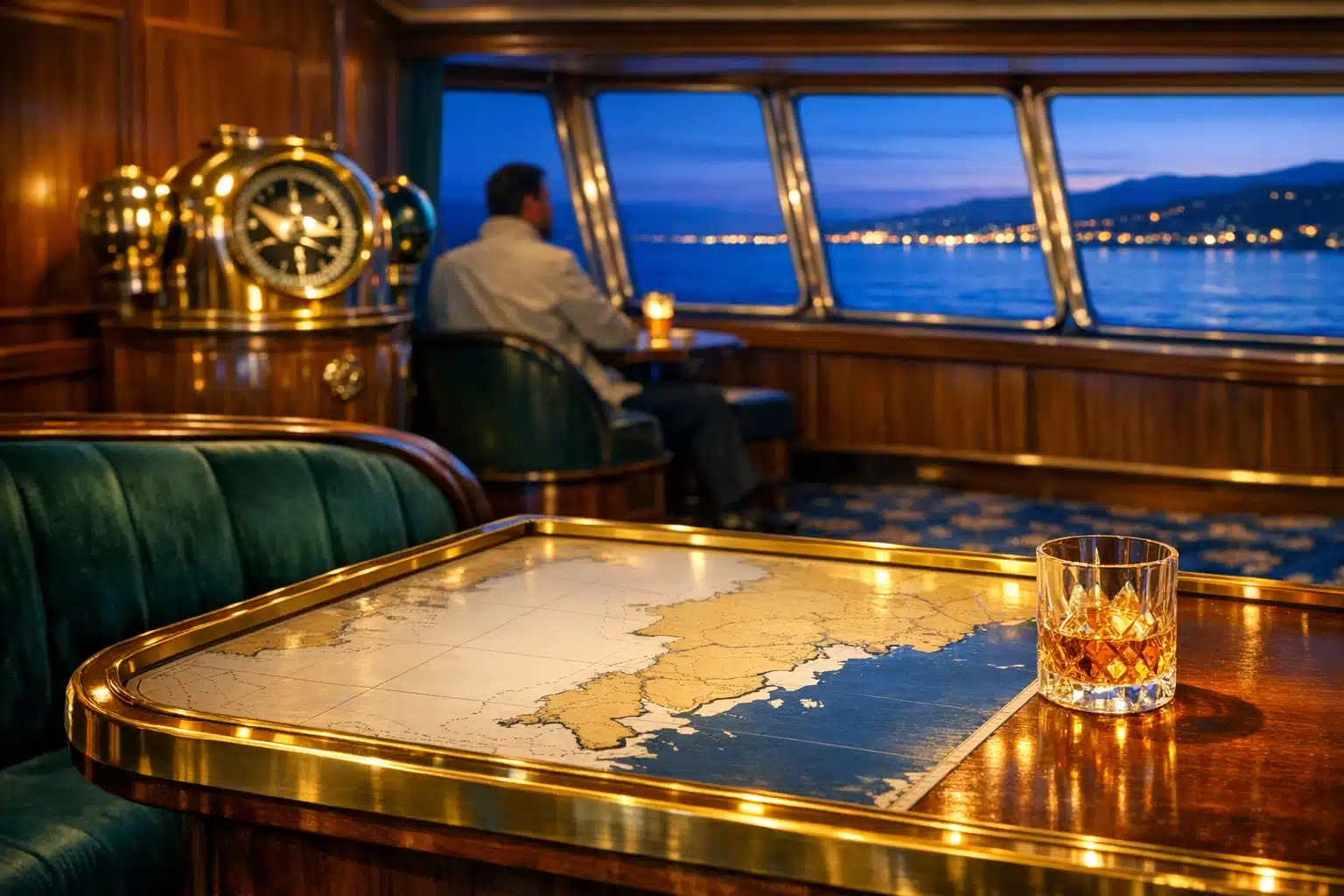
Night 1: Departure from Belfast usually takes place in the afternoon or evening. After check-in at the ferry terminal, passengers board, locate cabins, and settle in before sailing. This first night is often the most relaxed part of the trip. You are no longer dealing with airport queues or urban logistics; you are simply watching the coastline fade into the distance while the ship heads for France. Onboard time may include dinner, live entertainment, a lounge bar, or a short walk on deck if the weather is calm. It is wise to treat this evening as the start of the holiday, not merely transit.
Day 2: Arrival in France is followed by the overland transfer to Paris. Depending on the arrival port, the onward journey can take several hours. Cherbourg to Paris, for example, is a much longer inland run than many first-time travellers expect. Le Havre or Caen-area connections may also involve substantial coach time. The reward is that the landscape gradually changes from port roads and open countryside to the dense urban texture of the capital. By afternoon or early evening, you may have your first glimpse of landmarks, broad boulevards, and the kind of street life Paris is known for.
Day 3: This is usually your main full day in Paris. It is the day to prioritise major sights rather than trying to collect too many minor stops. Many travellers choose a cluster such as the Eiffel Tower area, a Seine walk, and a museum, or perhaps Notre-Dame surroundings, the Latin Quarter, and a river cruise. Paris rewards focus. One well-paced day with deliberate choices often feels richer than racing across the map.
Day 4: Depending on the package, you may have another partial day in Paris before returning to the ship, or a morning excursion and afternoon transfer back to port. This is often the trickiest part because travellers can become overconfident and plan too much. Leave buffer time, especially if traffic is heavy.
Night 4: The return sailing to Belfast gives the trip a satisfying second chapter. You are no longer anticipating the city; you are processing it. The deck feels different on the way home. The wind is the same, but your mind is full of station announcements, café tables, stone bridges, and museum halls.
Paris in Limited Time: Transfers, Sightseeing Strategy, and Smart Route Planning
The biggest planning mistake on a Belfast to Paris mini cruise is treating Paris as though you have an open-ended city break. You do not. You have a short, valuable slice of time, and the smartest travellers build their day around geography rather than wishful thinking. Paris is walkable in parts, but it is also large, busy, and full of distractions that can pull you far off schedule. A good mini-cruise day in Paris feels curated rather than crowded.
Start by understanding the transfer reality. If your package includes a coach from the arrival port, the journey may take roughly 3 to 5 hours depending on the port, road conditions, and stop arrangements. That means your first Paris hours may begin later than expected. Instead of chasing a giant checklist, choose one major district in the morning and one in the afternoon. This approach reduces stress and makes public transport easier to manage.
Good short-stay combinations include:
- Eiffel Tower area, Trocadéro, and a Seine cruise
- Louvre exterior or museum visit paired with the Tuileries and Place de la Concorde
- Île de la Cité, Notre-Dame area, and the Latin Quarter
- Montmartre with Sacré-Cœur and a slower café-based afternoon
If this is your first visit, the river is your best orientation tool. The Seine effectively stitches together several of the city’s most recognisable districts. A short cruise on the river can help you understand the layout quickly while also giving your feet a rest after the port transfer. It is one of the few sightseeing options that combines efficiency, atmosphere, and context in a single activity.
Pre-booking can be very useful, especially for attractions known for long queues. Timed museum entry, Eiffel Tower slots, or hop-on transport passes can save valuable minutes, though you should avoid overcommitting. A short trip needs room for delays. One missed booking can create a domino effect if you have packed your day too tightly.
Food planning also matters more than people expect. Paris has countless places to eat, but indecision wastes time. For a mini-cruise visit, it helps to decide what kind of meal you want in advance:
- A quick bakery lunch for speed and value
- A classic bistro meal for atmosphere
- A market-style snack if you plan to keep moving
Finally, think in layers rather than landmarks alone. Paris is not memorable only because of monuments. It is also the bookstalls along the water, the soft metal curve of balcony rails, the sudden smell of butter near a corner bakery, and the way an ordinary side street can feel like a film set for no reason at all. A short stay becomes more satisfying when you leave time to notice those details.
Budget, Cabins, Packing, and Onboard Practicalities for a Smoother Trip
Mini cruises can look deceptively simple on paper, but budgeting for them requires a little more attention than many travellers expect. The base fare may include the crossing and cabin, yet several extra costs can shape the final price: meals, transfers, city excursions, attraction tickets, travel insurance, and onboard spending. Because the holiday is short, every extra purchase carries more weight in the overall budget. A modest overspend on a two-week trip may go unnoticed; on a four-night break, it can shift the total quite quickly.
Start by dividing your costs into three groups:
- Fixed costs: sailing fare, cabin category, booked transfer package
- Flexible costs: meals in Paris, museum entries, drinks, souvenirs
- Protection costs: insurance, contingency money, mobile data or roaming charges
Cabin choice matters even on a short trip. An inside cabin is usually the most budget-friendly option and can work perfectly well if you mainly plan to sleep there. An outside cabin gives natural light and a better sense of the journey, which some travellers find valuable on overnight crossings. If you are prone to motion sensitivity, a lower-deck midship cabin is often considered steadier than one high up at the ends of the vessel, though sea conditions always play a role.
Packing for a Belfast to Paris mini cruise is a balancing act. You want enough for changing weather, but not so much that you struggle during transfers. Northern sea crossings can feel cool even when Paris is mild, so layers are more useful than bulky items. Comfortable shoes are essential, because short city visits often involve more walking than expected.
A practical packing list often includes:
- Passport and travel documents in one easy-to-reach pouch
- A light waterproof jacket for the port and deck
- One smarter outfit if you want an evening meal onboard
- Portable charger for long transfer days
- Refillable water bottle and basic snacks
- Any medication kept in hand luggage rather than packed away
Onboard, use the first evening well. Check meal times, locate lounges, confirm arrival procedures, and set out anything needed for disembarkation. A little organisation the night before makes the morning far easier. It is also worth sleeping earlier than you might on a leisure-only cruise, because your first day in France may begin promptly.
One final budgeting tip: compare the mini-cruise package with the cost of booking a Belfast departure, separate accommodation in Paris, and independent transport from a French port. Sometimes the package represents good value because the operator bundles transport efficiently. Other times, the lowest advertised fare becomes less impressive once extras are added. A quick comparison before booking gives you a truer picture than headline pricing alone.
Conclusion: Who This Trip Suits Best and How to Make the Most of It
A 4-night mini cruise from Belfast to Paris suits travellers who enjoy movement, variety, and the feeling of crossing a border in a tangible way. It is ideal for people who like a holiday to begin the moment they board, not only when they arrive. Instead of spending the whole trip in one hotel district, you experience departure, sea travel, arrival in France, the transition inland, and time in one of Europe’s great cities. That sequence is the real charm of the itinerary.
This type of break works especially well for:
- First-time cruise travellers who want a short introduction to life onboard
- Couples seeking a compact romantic getaway with a different format
- Friends who enjoy city breaks but want the crossing to feel part of the adventure
- Travellers from Northern Ireland who prefer a departure from Belfast rather than flying
It may be less suitable for visitors who dislike tight schedules, long coach transfers, or limited city time. If your dream Paris trip involves lingering in museums for half a day, exploring several neighbourhoods in depth, or dining late without watching the clock, a longer stay in the city would be a better match. The mini-cruise version of Paris is a highlight reel, not the full director’s cut.
Compared with a standard flight-based city break, the cruise format offers atmosphere and novelty. Compared with a longer sea holiday, it offers less downtime but far more pace. Compared with driving independently through France, it removes some planning pressure while also reducing flexibility. None of those formats is automatically better; they simply suit different travel styles.
For the target reader considering this route, the best approach is simple: go in with accurate expectations, choose a focused Paris plan, and treat the ship as part of the pleasure rather than a gap between destinations. Do that, and the trip can feel surprisingly rich for only four nights. One evening you are watching Belfast slip behind you across dark water. Not long after, you are standing beside the Seine, hearing the city move around you. That contrast is exactly what makes this short journey memorable.