4-Night Mini Cruise from Edinburgh to Bruges: Itinerary and Travel Tips
A 4-night mini cruise from Edinburgh to Bruges is one of those trips that feels larger than its timetable suggests. In just a few days, travelers can leave Scotland behind, settle into life at sea, and wake up within reach of one of Belgium’s most charming cities. It suits people who want a quick escape, a first taste of cruising, or a low-fuss break with a clear structure. With the right expectations and a little planning, this short voyage can deliver far more than its modest length implies.
Article outline:
- What a 4-night mini cruise usually includes and why it appeals to different travelers
- A day-by-day itinerary from departure near Edinburgh to time in Bruges and the return crossing
- How to plan transport, documents, packing, and onboard essentials before sailing
- The best ways to spend your limited time in Bruges, with route ideas, food stops, and pacing advice
- Budgeting, cabin selection, and practical tips to help the trip feel smooth and worthwhile
Why a 4-Night Mini Cruise from Edinburgh to Bruges Is a Popular Short Break
A mini cruise from the Edinburgh area to Bruges sits in a sweet spot between a standard city break and a full cruise holiday. It is short enough to fit into a long weekend or a few days off work, yet varied enough to feel like a real escape. Travelers often sail from Rosyth, which is commonly used for cruise departures serving Edinburgh and the east of Scotland. From there, the trip usually combines two nights at sea, one full or partial day for the Belgian port area and Bruges, and one final overnight return. That structure creates a pleasing rhythm: departure excitement, time to settle into the ship, a destination day packed with possibility, then a gentle close as the vessel heads back to Scotland.
One reason this route remains appealing is the contrast it offers. Edinburgh’s dramatic skyline and cool North Sea air give way to the slower, canal-lined elegance of Bruges. In a matter of hours, the scenery changes from Scottish coastline to Flemish streets, pointed gables, market squares, and chocolate shops. For travelers who enjoy the feeling of crossing borders without the strain of multiple airports, this journey can be especially satisfying. You unpack once, keep your room for the whole break, and let the ship handle the transition between places.
It also works well for several kinds of travelers:
- First-time cruisers who want to test the experience before booking a longer voyage
- Couples looking for a compact romantic trip with built-in dining and entertainment
- Friends who want an easy social getaway with nightlife and a day ashore
- Older travelers who prefer a straightforward itinerary rather than changing hotels
- Solo travelers who enjoy structured travel but still want independent time in port
From a practical standpoint, a short cruise can also be easier to budget than a more complex land holiday. Meals are often included, entertainment is onboard, and transport between destinations is built into the fare. That does not make it automatically cheap, but it can make spending more predictable. The biggest variables are usually cabin choice, drinks, excursions, and pre-departure transport.
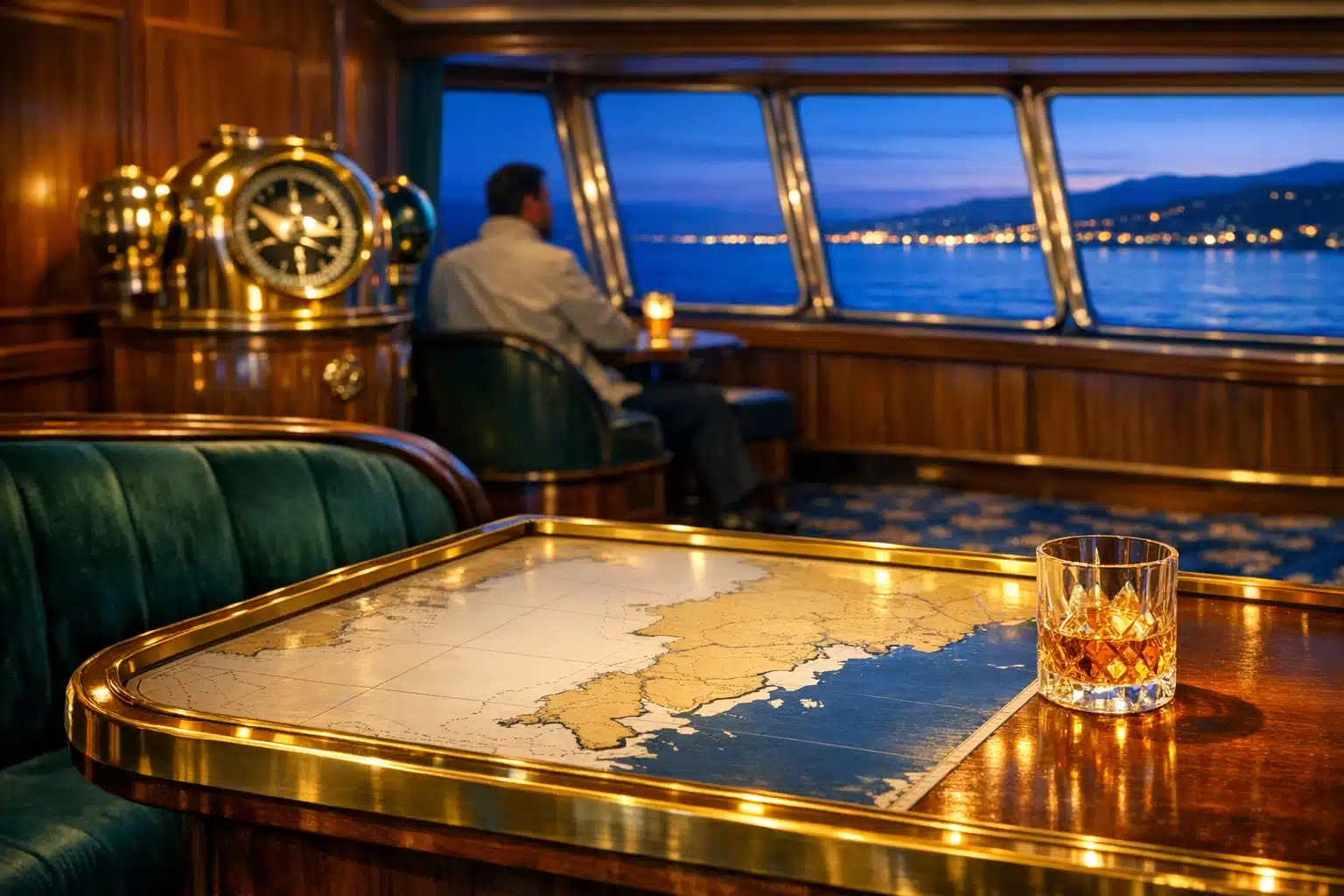
There is another advantage that is harder to price: atmosphere. Ferries and mini cruise ships often create a sense of anticipation that planes rarely manage. There is time to watch the harbor shrink, find your bearings on deck, and shift mentally from routine into travel mode. Even a brief crossing can feel cinematic when the sea is calm, the light starts to fade, and the first evening onboard begins. For many people, that mood is exactly what turns a simple short break into a memorable trip.
Typical Itinerary: What Each Day Usually Looks Like
Although exact schedules vary by operator and season, most 4-night mini cruises from the Edinburgh area to Bruges follow a similar pattern. Understanding that rhythm helps travelers set realistic expectations. This is not a slow, in-depth Belgian holiday, nor is it a destination-heavy cruise with multiple ports. It is a compact travel experience with one major shore day and several chances to enjoy the ship itself. Knowing that from the start helps you make better decisions about energy, packing, and priorities.
-
Day 1: Departure day from Rosyth or a nearby embarkation point serving Edinburgh. Travelers arrive at the terminal, check in, pass through security, and board in the afternoon or early evening. Once onboard, the first priorities are usually locating your cabin, learning the ship layout, and checking dining times. Sail-away is often one of the best moments of the trip, especially if the weather allows deck views.
-
Day 2: Full day or much of the day at sea. This is when the mini cruise format starts to shine. You have time for breakfast without rushing, a walk on deck, browsing shops, reading in a lounge, or joining onboard entertainment. Some ships offer live music, cinema screenings, bars, children’s areas, and themed dining. It is less about packing in activities and more about enjoying the transition.
-
Day 3: Arrival in Belgium, usually via Zeebrugge, the port commonly used for access to Bruges. From there, travelers either join a coach transfer, take a train connection, or use a pre-booked excursion. Bruges itself is roughly 15 to 20 kilometers from Zeebrugge, and transfer times can vary depending on traffic and transport mode. Once in the city, most visitors have several hours to explore before returning to the port.
-
Day 4: Overnight return and another period at sea. This is often a quieter day, useful for relaxed meals, a final drink with sea views, or a recap of favorite moments from Bruges. Some travelers do a bit of duty-free shopping or simply enjoy having nowhere urgent to be.
-
Day 5: Morning arrival back in Scotland and disembarkation. The trip ends quickly, so having onward transport arranged in advance makes a big difference.
What matters most on this itinerary is pacing. Because the trip is short, every stage feels more visible than it would on a longer holiday. A delayed start, a late breakfast, or uncertainty about transfers can eat into your port time. On the other hand, overplanning can make the break feel tense. The best approach is to identify one or two priorities per day. On the sea day, that might mean a proper dinner and an hour on deck at sunset. In Bruges, it might mean seeing Markt Square, taking a canal walk, and stopping for waffles or frites before heading back.
Season also changes the feel of the itinerary. In spring and summer, longer daylight hours make the voyage feel more open and scenic. In late autumn and winter, Bruges can feel atmospheric and festive, especially around Christmas market season, but weather may be cooler, wetter, and more variable. The route works in both cases; it simply asks for different clothing and expectations.
Planning Before You Sail: Documents, Transport, Packing, and Onboard Strategy
A smooth mini cruise often depends less on what happens at sea and more on what you sort out before you leave home. Because the trip is short, small planning mistakes feel larger. Forgetting a charging cable, arriving late at the terminal, or not checking entry document requirements can create avoidable stress. Fortunately, the route is straightforward when broken into a few practical categories.
Start with documents. UK travelers should always check the latest passport validity rules and entry requirements for Belgium before departure, since regulations can change. Non-UK travelers should verify both cruise line requirements and border rules well in advance. It is also wise to carry booking confirmations, travel insurance details, and any transfer tickets in both digital and paper form. Most people will never need the printed copies, but they are useful backups if phone batteries die or mobile signals become unreliable in transit.
Getting to the port is the next important piece. If you are coming from central Edinburgh, you may need to plan rail, taxi, bus, or private car travel to Rosyth or the relevant terminal. Build in more time than you think you need, especially if you are traveling during commuter hours or on a busy holiday weekend. Cruise check-in windows are not infinitely flexible, and a mini cruise does not leave much room for recovery if something goes wrong on the way.
Packing should reflect both ship life and a day trip in Belgium. The smartest packing list is compact but adaptable:
- Passport, boarding documents, and insurance information
- Comfortable walking shoes for Bruges’s cobbled streets
- A light waterproof jacket or umbrella for changeable weather
- Layers for deck time, especially in the North Sea breeze
- A small day bag for your port visit
- Power bank, plug adapter if needed, and charging cables
- Any medications you may need, packed in your hand luggage
Onboard strategy matters too. If your fare includes dining at set times, decide early whether you prefer structure or flexibility. Some travelers enjoy a formal dinner slot because it shapes the evening; others prefer casual dining so they can move around the ship as they please. If excursions are offered through the cruise line, compare them with independent transport options. Cruise excursions can reduce planning and simplify timing, but they often cost more. Independent travel may be cheaper and more flexible, though it requires closer attention to return times.
Finally, think about expectations. A mini cruise is not usually about luxurious seclusion or exhaustive sightseeing. Cabins can be compact, port time can be limited, and sea conditions may vary. Yet with the right mindset, those realities become part of the appeal. You are choosing a break that values ease, contrast, and atmosphere over complexity. Pack for comfort, leave a little breathing room in your schedule, and the trip is far more likely to feel easy rather than hurried.
Making the Most of Your Time in Bruges
Bruges rewards travelers quickly. Even with only a few hours, the city can leave a strong impression because so much of its character is concentrated in a walkable historic center. The canals, medieval buildings, church towers, and market spaces create a setting that feels almost staged, as if someone built a city from the most charming details of northern Europe and then polished the windows. On a mini cruise, the challenge is not whether Bruges has enough to offer, but how to choose sensibly when time is limited.
For first-time visitors, the simplest plan is usually the best. Begin around Markt, the central square, where colorful stepped buildings and the Belfry define the postcard view many people recognize. From there, walking toward Burg Square gives you a second cluster of important sights, including the Town Hall and Basilica of the Holy Blood. Continue along the canals, where even an unplanned wander tends to feel rewarding. The city’s compact layout means that a loosely structured route can still cover a great deal without the exhaustion that often comes with larger cities.
If you prefer a little more shape, aim for a short list of highlights:
- Markt and the Belfry area for classic architecture and city atmosphere
- Burg Square for historic civic buildings
- Canal-side streets such as Rozenhoedkaai for iconic views
- A local café stop for waffles, pastries, or Belgian beer if that suits your plans
- Chocolate shops or lace stores for small, portable souvenirs
Food is part of the Bruges experience, but timing matters. If your visit is brief, do not lose an hour to a long, formal lunch unless that meal is one of your main priorities. A smarter approach is often to choose one memorable stop: perhaps hot chocolate in a cozy café, a cone of frites eaten while walking, or a bakery visit that gives you a taste of the city without consuming the afternoon. Travelers interested in museums should also be selective. Bruges has excellent cultural sites, but a museum-heavy day can conflict with the essence of a mini cruise stop, which is usually about atmosphere as much as attractions.
There is also the question of transport from Zeebrugge. Cruise line shuttles can be convenient because they reduce uncertainty. Independent travelers may use local rail connections or taxis, which can be efficient but depend on schedules and local conditions. Whichever method you choose, build in a careful buffer for the return. Ships will wait for their own official excursions more readily than for individuals delayed by independent travel.
The secret to Bruges on a mini cruise is to resist trying to conquer it. This is a city best sampled with curiosity rather than attacked with a checklist. Walk, look up, cross a bridge without hurry, listen to the bells if you catch them at the right moment. In a short visit, you are not trying to know Bruges completely. You are trying to meet it well enough to remember why people return.
Costs, Cabin Choices, and Final Travel Tips for a Better Experience
Budgeting for a 4-night mini cruise is often easier than budgeting for a multi-city land trip, but only if you understand what is included and what tends to raise the final total. The headline fare commonly covers your cabin and a core selection of meals, yet extra spending can add up quickly. Drinks packages, specialty dining, upgraded cabins, wi-fi, coach transfers, parking, travel insurance, and shore excursions all affect value. A low base fare can still become a moderately expensive short break if every optional extra is added without much thought.
Cabin choice is one of the biggest decisions. On a short route, many travelers choose an inside cabin to keep costs down, reasoning that they will spend most of their time exploring the ship or visiting Bruges. That logic is often sound. However, some travelers strongly prefer a sea view or outside cabin because the crossing itself is part of the appeal. Watching the light change over the water from your room can genuinely enrich the trip. The decision depends on what kind of experience you want:
- Inside cabin: usually the most affordable, practical for budget-conscious travelers
- Outside or sea-view cabin: better for travelers who value natural light and the sense of being at sea
- Upgraded or premium cabin: worth considering only if comfort and private space are central to your break
If motion sickness is a concern, choose a cabin in a lower and more central part of the ship when possible, as movement may feel less pronounced there. Bringing basic remedies can be useful even on short crossings, since North Sea conditions can be unpredictable. Many sailings are smooth, but weather always has a voice at sea.
To keep the trip enjoyable and efficient, a few final tips go a long way:
- Arrive at the port with extra time rather than testing the check-in window
- Book transfers to Bruges in advance if your operator recommends it
- Wear your most comfortable shoes on the Bruges day, not your smartest pair
- Check meal times and entertainment schedules early so you do not miss what matters to you
- Set a rough spending limit before boarding if you want the short break to stay affordable
- Keep an eye on local time and return instructions when ashore
For target travelers, this kind of cruise works best when expectations are realistic. It is ideal for people who enjoy variety in a short space of time, appreciate the romance of a sea crossing, and do not mind that the destination visit is a taste rather than a deep immersion. If you want a long, slow exploration of Belgium, a land-based stay in Bruges may suit you better. But if you want an easy, interesting, and atmospheric break from the Edinburgh area, this mini cruise has a lot going for it.
Conclusion: Is This Short Cruise Right for You?
A 4-night mini cruise from Edinburgh to Bruges is best suited to travelers who want a manageable getaway with a clear itinerary and a little built-in adventure. It offers the pleasure of sea travel, the convenience of unpacking once, and enough time in Bruges to enjoy its historic center without turning the trip into a logistical puzzle. The key is to plan the basics well, stay selective about what you do ashore, and treat the crossing as part of the holiday rather than dead time between destinations. For couples, friends, first-time cruisers, and anyone craving a compact change of scenery, it can be a refreshingly simple way to travel well in just a few days.