4-Night Mini Cruise From Belfast to Paris: Itinerary and Travel Tips
Outline and What a Belfast-to-Paris Mini Cruise Actually Means
A 4-night mini cruise from Belfast to Paris is less about racing to a destination and more about turning the journey into part of the holiday. For travelers who enjoy sea views, slower transitions, and a city break with a different rhythm, it offers a practical alternative to a quick flight. It also helps first-time visitors bundle transport and accommodation into one manageable plan. That mix of convenience and atmosphere is exactly why these short cruise packages keep their appeal.
One important point comes first: Paris is inland, so this kind of trip is usually not a ship sailing directly into the French capital. In most cases, the package combines several elements, such as a departure from Belfast, a coach transfer, an overnight ferry or cruise-style sailing, and then an onward road or rail journey into Paris. Depending on the operator, the sea leg may arrive at a French port or connect through Britain before crossing the Channel. That detail matters because it shapes how much time you actually get in Paris, and it explains why reading the itinerary closely is more useful than relying on the title alone.
That said, the format still has genuine appeal. Compared with flying, a mini cruise often feels calmer and more spacious. You can usually bring more luggage, avoid some of the tighter airline baggage rules, and settle into a cabin instead of waiting at an airport gate. Families, couples, retirees, and friend groups often like the convenience of having transport and accommodation wrapped into one booking. The trade-off is time. A flight from Belfast to Paris is much faster, while a mini cruise gives you a more layered journey and a built-in sense of occasion.
To make the topic easy to follow, this article is organized around five practical areas:
- What the trip usually includes and why the format is popular
- A realistic 4-night itinerary, broken down day by day
- How to use limited hours in Paris without exhausting yourself
- Booking, budgeting, and packing advice for smoother travel
- Who this kind of break suits best compared with flying or a longer holiday
Think of this guide as a reality-based companion rather than a glossy brochure. A Belfast-to-Paris mini cruise can be memorable, comfortable, and surprisingly efficient, but only if expectations match the schedule. When you understand the route, transfer times, and the rhythm of the trip, the experience becomes far more rewarding. Instead of wondering why the city visit feels short, you can plan around that shortness and still come home with the sense that you have genuinely gone somewhere.
Typical 4-Night Itinerary: A Realistic Day-by-Day Breakdown
The exact route varies by operator, season, and departure schedule, but a typical 4-night Belfast-to-Paris mini cruise follows a pattern that blends movement with short sightseeing windows. It is best understood as a five-day trip with four overnight stays, often split between ferry accommodation and hotel nights. That structure is common because the sea crossing itself usually takes a substantial part of the schedule, and Paris sits roughly 200 to 350 kilometers from common northern French arrival points, depending on the route used.
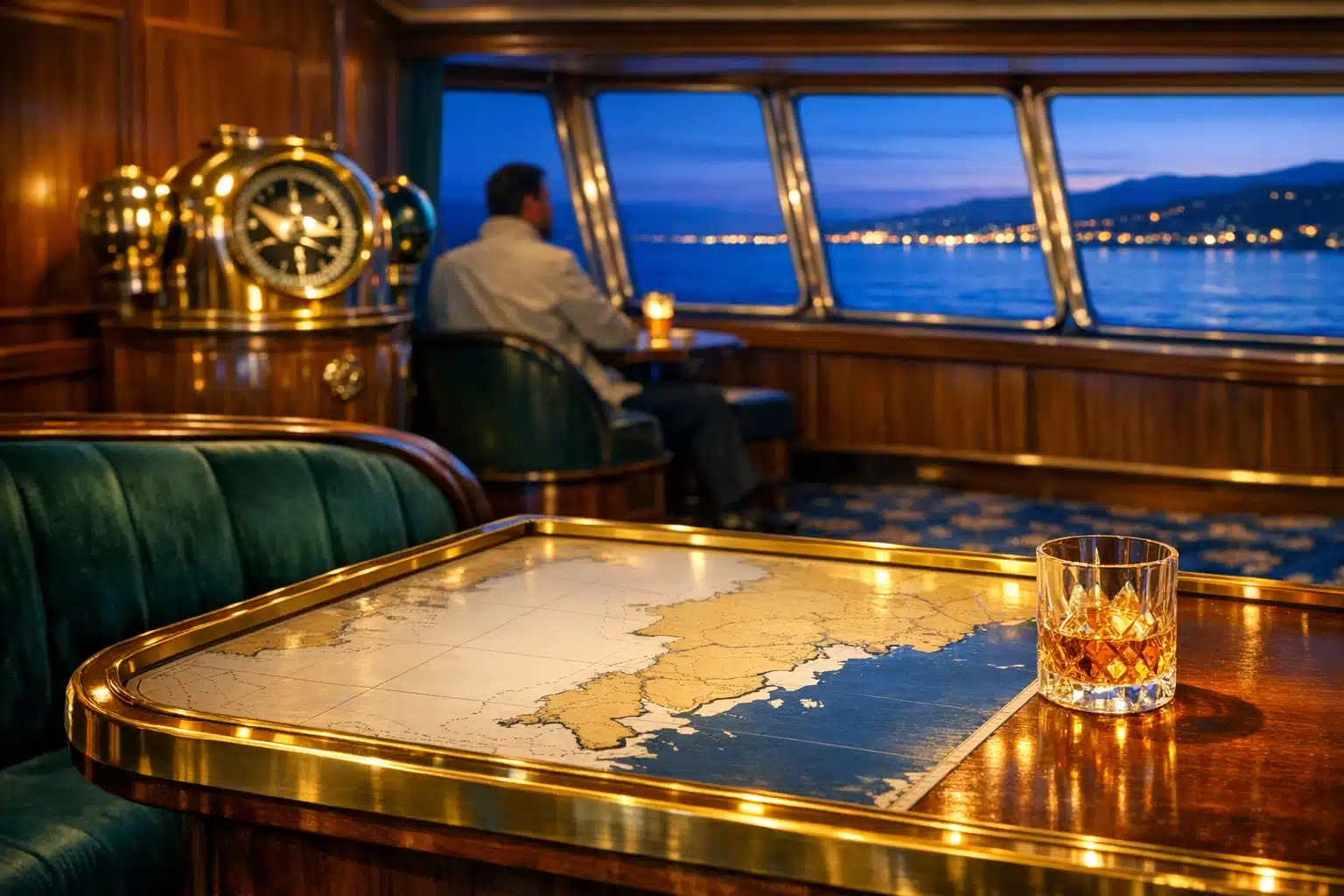
Day 1 usually begins in Belfast with a coach departure, a transfer to a ferry terminal, or a connected travel segment arranged by the package provider. Check-in can feel more relaxed than air travel, but you still need to arrive on time, carry valid travel documents, and keep essential items in a day bag rather than in checked luggage. By evening, the mood shifts. You board, find your cabin, and watch the shoreline slip away. It is one of the quieter pleasures of this kind of break: the holiday feeling starts before you reach the city.
Day 2 is often the main transit day. After arrival at the port, travelers usually continue by coach toward Paris. This overland section can take several hours, especially when traffic around the capital builds. Many packages include an orientation tour on arrival, which is useful for first-time visitors because it helps you identify landmarks, neighborhoods, and transport points quickly. Depending on the schedule, you may have time for an evening walk near the Seine, a casual dinner in a brasserie, or a short river cruise if the group arrives early enough.
Day 3 is typically the key sightseeing day. This is your best opportunity to visit major attractions such as the Eiffel Tower area, the Louvre district, Notre-Dame surroundings, Montmartre, or the Champs-Élysées. Some tours offer optional excursions, while others leave most of the day open. If you have only one full day, advance planning matters. A timed museum ticket, a preselected neighborhood, and realistic walking distances can easily save two or three wasted hours.
Day 4 often includes a final morning in Paris before the return transfer to port. This is the moment when many travelers choose a lighter plan: breakfast in a local café, souvenir shopping, a photo stop, or one last look at the city from the riverbank. By afternoon or evening, the return sailing begins. Night 4 is usually spent onboard again, and many people find it unexpectedly restful after a busy city day.
Day 5 brings the final arrival and transfer back toward Belfast. It is a compact trip, and that compactness is both its strength and its limitation. You do not get a deep, slow Paris immersion, but you do get a structured city break with the romance of sea travel folded into it. For travelers who value the experience of getting there, that combination can feel far richer than the clock suggests.
How to Use Your Paris Time Well Without Feeling Rushed
The biggest planning mistake on a 4-night mini cruise is trying to “do Paris” as if you had four full days in the city. In reality, you may only have one full day plus part of another. The smartest approach is not to chase every landmark, but to group your sightseeing by area and choose a mood for the day. Paris rewards focus. One well-shaped itinerary usually feels better than ten rushed photo stops linked by crowded transport and tired feet.
A practical method is to divide your choices into neighborhood clusters. For example, the central historic core can include the Île de la Cité area, the Latin Quarter, and the Left Bank. A classic monuments route can pair the Eiffel Tower district with the Trocadéro, Invalides, and a Seine cruise. A more atmospheric plan might center on Montmartre, Sacré-Cœur, side streets, bakeries, and café breaks. When time is short, moving in small circles often gives you a stronger sense of place than jumping back and forth across the city.
Paris public transport helps, especially the Metro, which has a dense network and is usually the fastest way to cover medium distances. Still, station changes, ticket machines, and peak-hour crowds can eat into your schedule if you are unfamiliar with the system. That is why many short-stay travelers do best with a simple mix of walking, one or two Metro rides, and perhaps a river cruise or bus route for scenic movement. The city can feel cinematic from the water, and that perspective gives you a visual summary of landmarks without demanding constant navigation.
If you only have a limited sightseeing window, these combinations tend to work well:
- Eiffel Tower area, Seine cruise, and evening views from the riverbank
- Louvre exterior or timed entry, Tuileries Garden, and a walk toward Place de la Concorde
- Montmartre, Sacré-Cœur, artists’ square, and a relaxed meal in the area
- Notre-Dame district, Shakespeare and Company area, and the Latin Quarter streets
Try not to overload the day with too many ticketed attractions. Long security lines and fixed entry times can make a short visit feel strangely rigid. If one member of your group dreams of the Louvre and another wants open-air views, balance the plan. Museums offer depth, while Paris streets offer atmosphere, and a good mini-break often needs both. You may remember the glow of streetlamps on wet pavement just as vividly as any gallery hall.
Food planning matters too. A long sit-down lunch can be lovely, but on a fast schedule it may take a large bite out of the afternoon. Many travelers do better with one memorable meal and simpler snacks elsewhere. Book one restaurant if it matters to you, then leave room for spontaneity. On a short trip, flexibility is a hidden luxury. The goal is not to master Paris in a day; it is to leave feeling that you touched its texture, pace, and charm in a way that was genuinely enjoyable.
Booking, Budgeting, and Packing for a Smoother Experience
Good planning turns a mini cruise from a tight schedule into a pleasant one. The first booking decision is whether to choose a package or arrange the elements yourself. For most travelers on this route, a package offers better simplicity because it bundles transport, cabin accommodation, and hotel stays. That can reduce stress, especially when schedules are coordinated around ferry times. Independent planning gives more freedom, but it also creates more responsibility if a delay affects the next leg of your trip.
Price comparisons can be surprising. A budget flight may look cheaper at first glance, yet extra luggage, airport transfers, seat selection, and hotel rates can narrow the gap. A mini cruise package often includes more visible structure in the headline cost, even if onboard meals, attraction tickets, and city transport remain extra. In general, travelers should budget for four layers beyond the base fare: food, local transport, admissions, and small incidental spending. Paris itself can be expensive in central areas, so even a modest café stop or museum entry should be factored in ahead of time.
Before departure, check the practical basics carefully:
- Passport validity and any entry requirements that apply to your nationality
- Travel insurance that covers sea travel, delays, and medical needs
- Mobile roaming charges and data access in France
- Cabin type, hotel location, and baggage allowance details
- Departure points, coach pickup times, and return transfer instructions
Packing for this trip is different from packing for either a cruise holiday or a pure city break. You need to think in layers. On deck, weather can turn windy and cold even outside winter. In Paris, you may spend long hours walking on pavements, climbing station stairs, and moving between indoor and outdoor spaces. Comfortable shoes are essential, and they matter more than fashion. A light waterproof jacket, a crossbody bag, chargers, medication, and a compact umbrella earn their place quickly.
It is also wise to keep a small day bag separate from your main suitcase. During transfers, you may not always want to open your larger luggage, and on boarding days it helps to have documents, snacks, water, and valuables within reach. If you are prone to motion sickness, prepare before you board rather than after the ship starts moving. Cabins in central areas of the vessel are often perceived as steadier, though availability depends on the ship and booking class.
Finally, read the timing with a skeptical, practical eye. “Paris break” sounds expansive, but the real experience may include early starts, motorway hours, and tightly managed coach departures. That is not a flaw; it is the nature of the format. Travelers who accept that reality usually enjoy the trip far more than those expecting a leisurely floating hotel that somehow deposits them in the center of Paris. Smart budgeting and realistic packing do not make the trip glamorous, but they make it smoother, and smooth travel is often what people remember most fondly.
Final Thoughts: Who This Trip Suits Best and How to Decide
A 4-night mini cruise from Belfast to Paris suits a specific kind of traveler, and knowing whether you fit that profile is the final planning step. If you love the idea of a short escape where the journey carries some emotional weight, this format can be very satisfying. If you enjoy ferries, cabins, evening views from deck, and waking up already in travel mode, it offers something a flight cannot. On the other hand, if your main priority is maximizing time in Paris itself, flying will almost always give you more hours on the ground.
This kind of break often works best for couples seeking a different city getaway, friend groups who want a sociable shared trip, and travelers who prefer the reassurance of a planned itinerary. It can also suit people who dislike airports or want a package where transport is less fragmented. For first-time Paris visitors, the structure can be helpful because major decisions are partly simplified. Yet it may be less appealing for travelers who want late nights, deep museum days, or the flexibility to change plans at the last minute.
Compared with a longer cruise, the mini format is leaner and more functional. You do not book it for endless onboard entertainment or leisurely sea days. You book it because it combines movement, accommodation, and a classic destination into one compact itinerary. Compared with a simple coach tour, however, the sailing adds atmosphere and a stronger sense of occasion. There is something quietly memorable about beginning a city break with open water, corridor lights, and the muffled hum of a ship at night.
If you are trying to decide, ask yourself a few practical questions:
- Do I want the trip to feel like part of the holiday, not just transport?
- Am I comfortable with transfers and a tightly scheduled return?
- Would I enjoy one main day in Paris rather than a longer stay?
- Do I value bundled arrangements more than total flexibility?
- Am I happy trading speed for atmosphere?
If your answers lean toward yes, this can be an excellent short break. The key is to approach it with clear expectations. Paris will still dazzle, but in miniature. You may not conquer every arrondissement or tick off every monument, yet you can still enjoy a meaningful taste of the city, framed by the distinctive rhythm of sea travel. For Belfast travelers who want an engaging, manageable, and slightly different route to one of Europe’s most visited capitals, a 4-night mini cruise is not the fastest option, but it can be one of the most characterful.
In short, this trip is best for travelers who want a compact adventure rather than a checklist marathon. Plan carefully, travel lightly, and choose a few priorities instead of too many ambitions. When handled that way, the holiday feels coherent rather than hurried. You return home not only with photos of Paris, but with memories of the crossing itself, and that is exactly what makes this kind of break distinct.